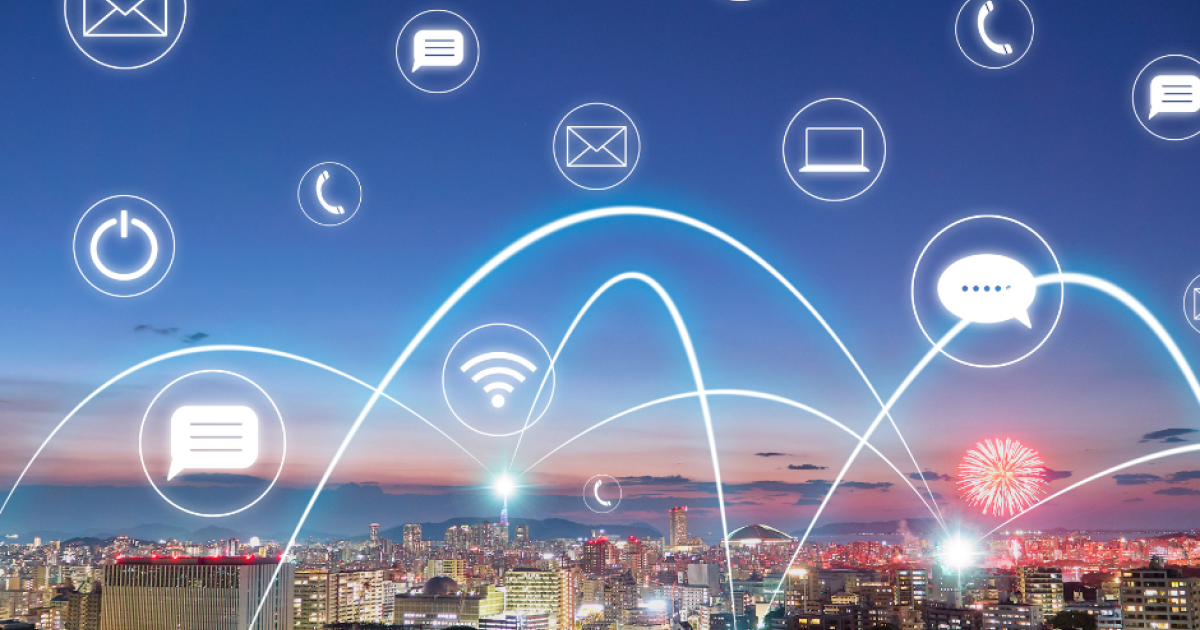
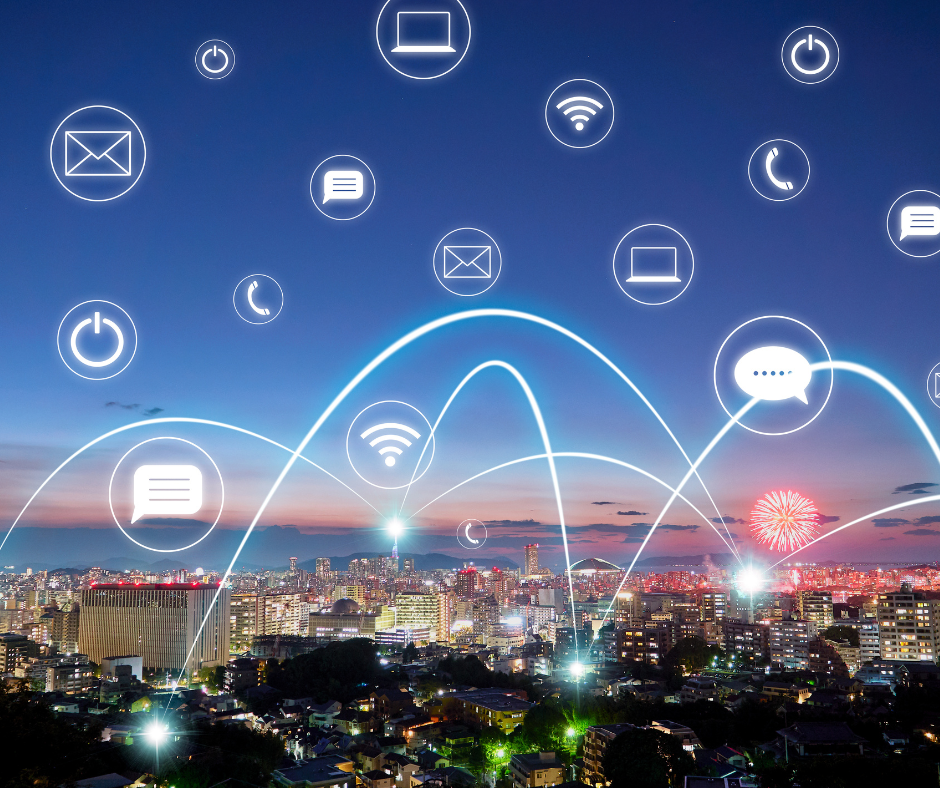
Our lives are based on electricity, as is the maintenance of our data like photos, important documents, banking and more.
Around 6 billion people —about 3/4 of the global population — use the internet an average 6.5 hours daily for work, communication and entertainment. In fact, nearly 139 million Facebook and Instagram reels have been viewed in the past minute. Approximately 294 million people, mostly smartphone owners, are added to the internet user count each year.
Each time you ask Alexa or Siri a question, a computer housed in a data center is supplying the answer. As data demand rises, so does the internet industry’s consumption. The industry now accounts for an estimated 6 to 12 percent of all electricity use globally.
Electricity is the lifeblood of the internet. It powers servers, networking hardware, data centers and the world’s 30 billion internet-connected devices. This includes the world known as the Internet of Things - personal computers, smartphones, TVs, tablets and “smart” devices like home systems and watches.
Internet-connected technologies also play a key role in energy efficiency by enabling real-time monitoring, automation and intelligent control of power use. Key technologies include smart thermostats, intelligent lighting, smart meters and energy management systems that optimize power consumption.
None of it would be possible without electricity, and we work hard every day to keep the electrons flowing and your data moving.